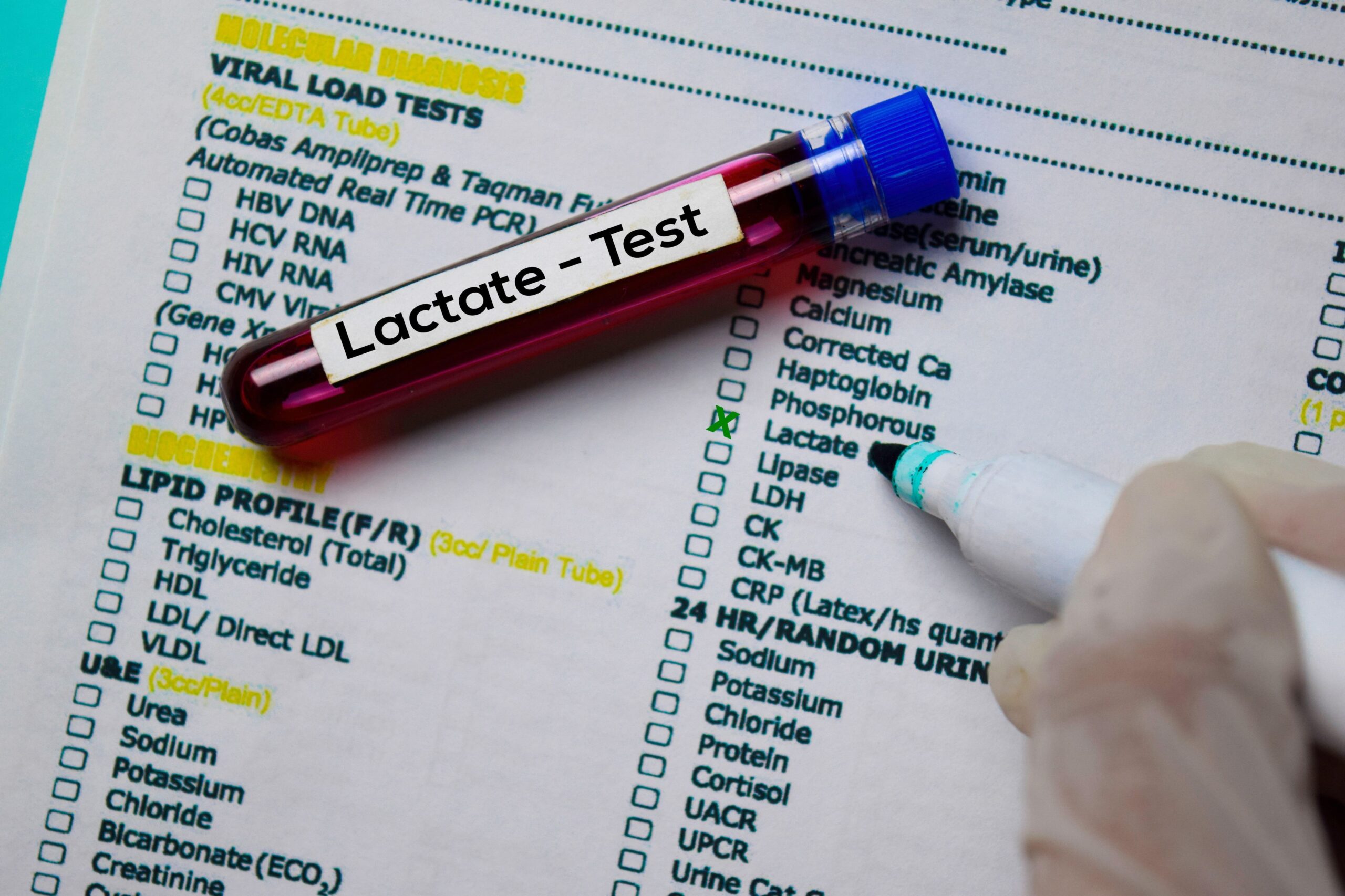
How lactate and smart intensity distribution generate real endurance
For many years, lactate was seen as the enemy of endurance performance. It was blamed for muscle burn, fatigue, and the point where an athlete simply had to slow down. Modern exercise physiology has completely reshaped this understanding. Lactate is not a waste product but an essential molecule that reflects how the body produces energy, adapts to training, and improves endurance.
What Is Lactate and How Is It Formed?
Lactate is produced during the breakdown of carbohydrates through a process called glycolysis. When muscles need energy, glucose is converted into pyruvate. At low to moderate intensities, pyruvate enters the mitochondria and is used aerobically with oxygen. As exercise intensity increases and energy demand rises, a greater proportion of pyruvate is converted into lactate.
This process occurs constantly, even at rest. Lactate production itself is not a problem. It becomes relevant only when lactate is produced faster than the body can clear or reuse it. The balance between production and clearance is what defines key intensity thresholds in endurance exercise.
Lactate as a Valuable Fuel Source
One of the most important discoveries in sports science is that lactate is a fuel. Lactate can be transported from working muscles to other tissues such as slow‑twitch muscle fibers, the heart, and even the brain, where it is converted back into energy. Well‑trained endurance athletes are particularly efficient at this lactate shuttle, allowing them to sustain higher intensities with less fatigue.
Rather than signaling failure, rising lactate levels indicate increasing metabolic demand and serve as a signal for adaptation. Training improves both lactate clearance and the ability to use lactate as an energy source.
The Two Lactate Thresholds
In endurance training, two lactate thresholds are commonly used. The first lactate threshold, often called LT1 or the aerobic threshold, marks the intensity where blood lactate first rises slightly above resting levels. Below LT1, lactate production and removal remain well balanced. Effort feels easy, breathing is controlled, and intensity can be sustained for long periods.
The second lactate threshold, LT2 (usually just called threshold), is the point where lactate begins to accumulate rapidly. At this intensity, production outpaces clearance and fatigue increases quickly. LT2 corresponds closely to the highest pace or power an athlete can sustain for approximately 40 to 60 minutes and is strongly linked to endurance performance.
Testing Threshold in the Field
Although laboratory testing is the gold standard, LT2 (or threshold) can be estimated quite reliably in the field. In running and cycling, a common protocol involves a structured 20‑minute time trial. After a thorough 10‑minute warm‑up, the athlete performs 20 minutes at the highest sustainable effort, maintaining a steady pace throughout. For runners, the average pace and heart rate from this effort can be used to estimate threshold. For cyclists, average power, and often heart rate, serves as the primary threshold marker.
In swimming, threshold is typically determined using Critical Swim Speed, or CSS. This test is based on pace rather than heart rate. The most common protocol consists of an all‑out 400‑meter swim, followed by 200 m easy recovery and then an all‑out 200‑meter swim. The difference between these two times is used to calculate a sustainable pace per 100 meters that closely approximates swim threshold intensity.
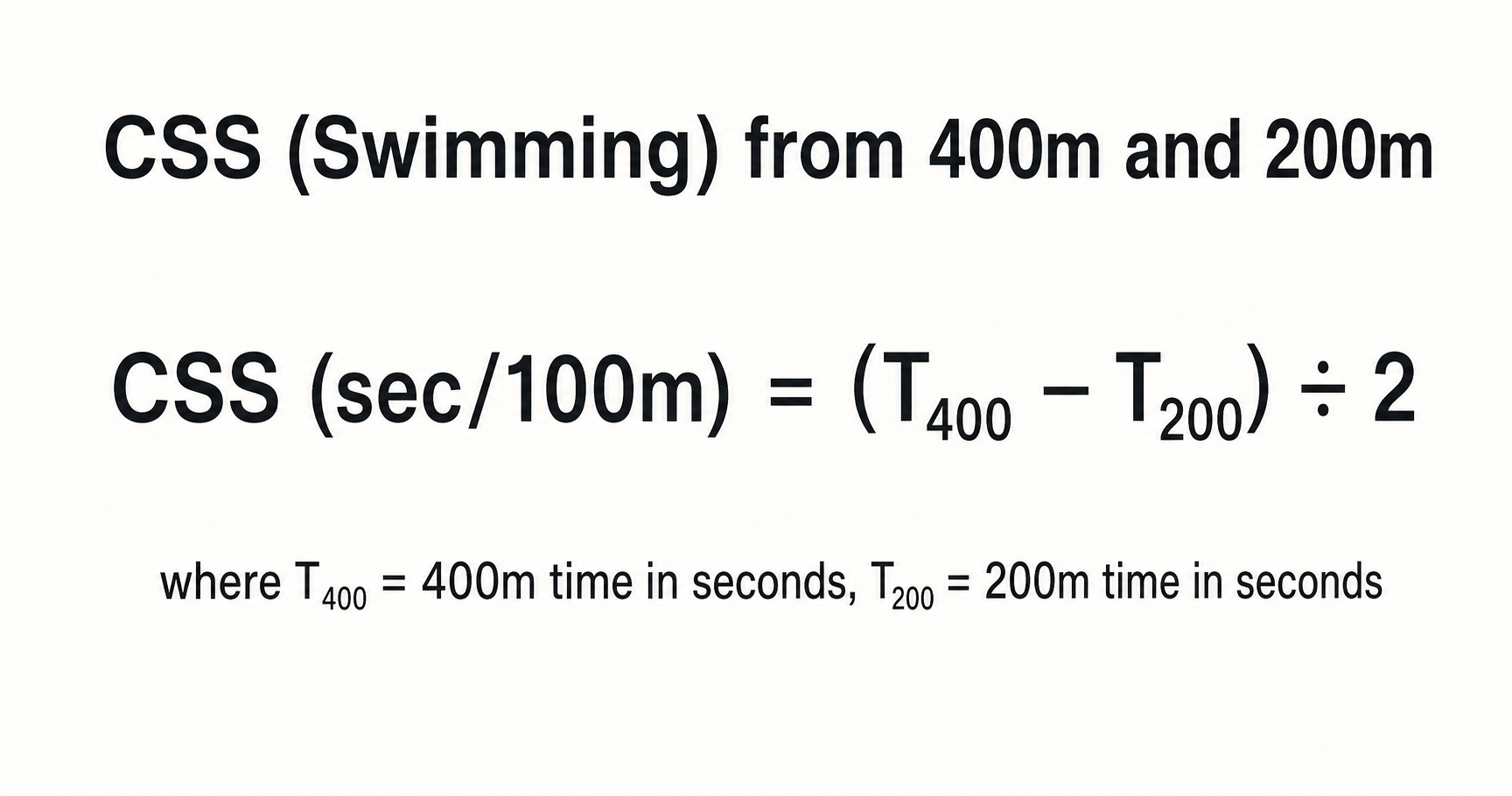
Once established, these threshold values can be entered into training platforms such as TrainingPeaks. The platform uses threshold pace, power, heart rate, or CSS to automatically define individualized training zones and track progress consistently over time.
Why Threshold Is Central to Endurance Training
Threshold is widely used across endurance sports such as triathlon, cycling, and running because it closely reflects real‑world performance. Two athletes may have similar aerobic capacity, but the athlete who can sustain a higher intensity at LT2 will perform better in races. Improving LT2 allows athletes to go faster while remaining aerobically efficient.
Zones, the Aerobic Base, and the 80/20 Approach
Training zones are built around LT1 and LT2. Zone 2, which lies below LT1, is where most endurance training should take place. Spending substantial time in this zone builds a strong aerobic base by increasing mitochondrial density, improving fat oxidation, enhancing capillary development, and strengthening durability.
A widely supported approach to endurance training is the 80/20 principle. Roughly 80 percent of training volume is performed at low intensity, primarily in Zone 2, while the remaining 20 percent consists of moderate‑to‑high‑intensity work above LT2.
The easy volume provides the foundation for endurance, allowing athletes to accumulate consistency without excessive fatigue. The higher‑intensity work complements this base by raising LT2, improving lactate clearance, sharpening speed, and reinforcing the ability to hold form under fatigue.
Bringing It All Together
Endurance is not built by constant hard efforts. It is built through patience, intelligent intensity distribution, and long‑term consistency. Understanding lactate, respecting both lactate thresholds, and prioritizing Zone 2 training while strategically including harder sessions creates a powerful formula for improving endurance, durability, and speed across all endurance sports.
References (Selection)
- Seiler S. and Kjerland G.Ø., Scandinavian Journal of Medicine and Science in Sports (2006) – polarized training and intensity distribution in endurance athletes
- Stöggl T.L. and Sperlich B., Frontiers in Physiology (2014) – comparison of training intensity distribution models
- Coggan A.R. and Allen H., Training and Racing with a Power Meter, VeloPress (2010) – functional threshold power and field testing methods
- Wakayoshi K. et al., European Journal of Applied Physiology (1992) – critical swimming velocity and lactate threshold in swimming