Between Rocks and Waves: The Adventure of Swimrun
Swimrun is not just a sport—it is an adventure. Born in the Swedish archipelago, it challenges athletes to move continuously between land and water, navigating rugged terrain, cold open water, and constantly changing conditions. Preparing for ÖTILLÖ and similar long‑distance Swimrun events requires more than strong fitness; it demands specificity, flow, and a mindset that embraces unpredictability. When trained well, Swimrun becomes one of the most immersive and rewarding endurance experiences available.
Understanding the Unique Nature of Swimrun
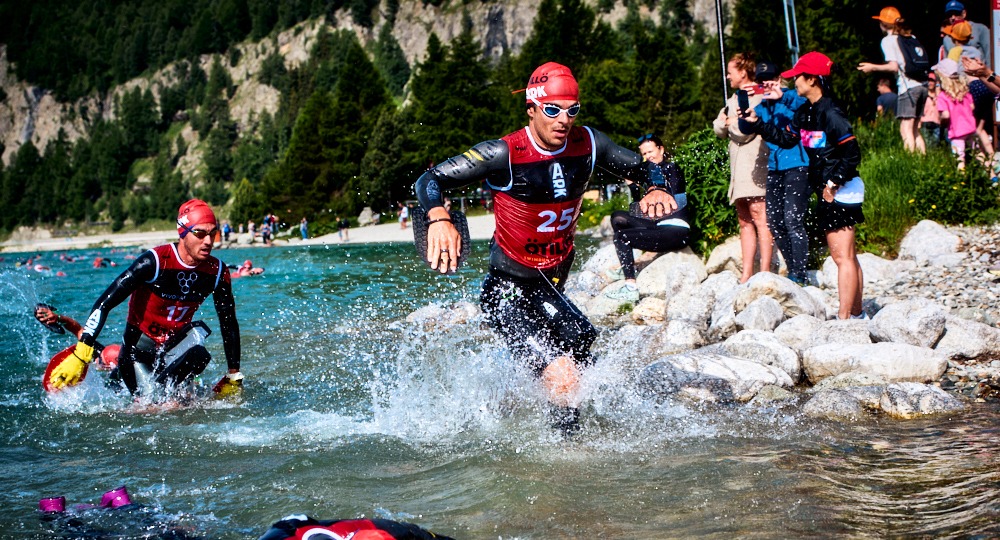
Unlike triathlon, Swimrun has no transitions in the traditional sense. You run in your wetsuit, swim in your shoes, and carry all your equipment from start to finish. Courses feature dozens of short runs and swims, rocky entries and exits, technical trails, and often cold water. Many races are contested in teams of two, requiring athletes to stay close together and work as a unit throughout the day.
The result is a sport that rewards adaptability and efficiency. Success is not about perfection in a single discipline, but about maintaining rhythm and control across many hours in changing environments.
Building the Aerobic Base
Endurance is the foundation of all Swimrun performance. Events like ÖTILLÖ can last anywhere from 8 to 14 hours, and even shorter races demand sustained aerobic output. Training should prioritize durability—being able to keep moving well when fatigued.
Running typically makes up the majority of race distance, so most training plans lean slightly toward running volume. Swimming, however, must not be neglected. You need to be comfortable completing repeated open‑water swims, often while cold and tired.
A balanced training week usually includes:
-
- Two to three trail or mixed‑terrain runs
- Two to three swim sessions, ideally including open water
- One Swimrun‑specific session combining both disciplines
Brick Sessions: Where Swimrun Is Learned
The core of Swimrun training lies in brick sessions. These workouts involve repeated discipline changes—run to swim to run to swim—without stopping. They teach pacing, adaptability, and efficiency under realistic conditions.
More importantly, they are where you learn to manage yourself and your gear. Brick sessions reveal inefficiencies quickly, making them essential preparation for race day.
Transitions Without Transition Zones
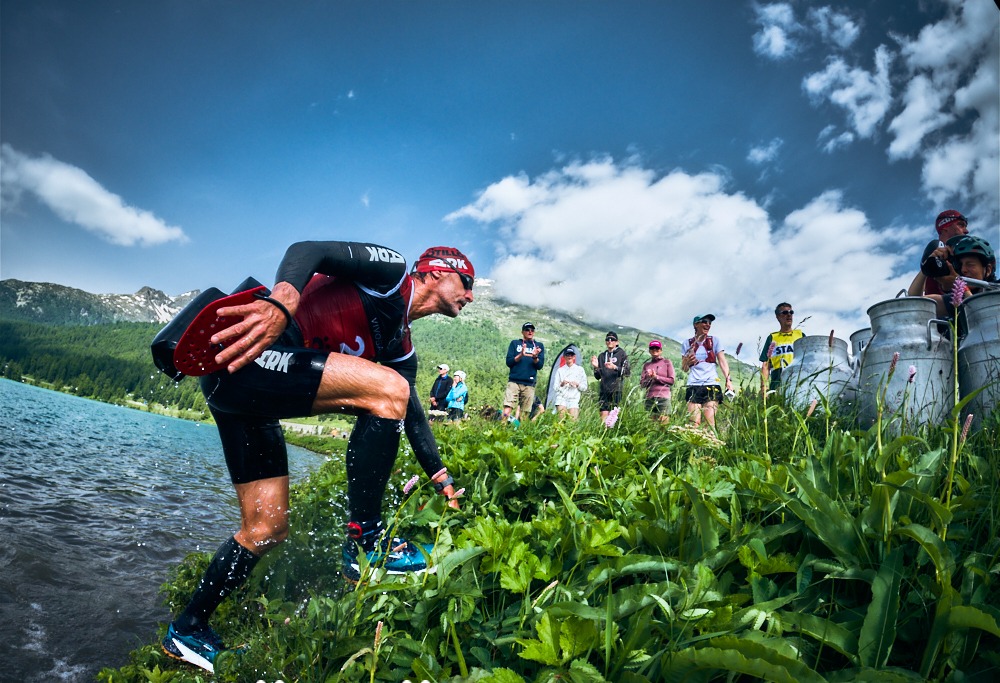
Swimrun may not have official transitions, but every swim exit and entry is a micro‑transition that must be practiced.
Key skills to train regularly include:
-
- Zipping and unzipping the wetsuit while moving
- Putting on goggles just before water entry
- Sliding paddles onto your hands smoothly
- Positioning the pull buoy quickly between the legs
- Removing paddles immediately after swimming
- Stowing paddles and goggles securely inside the wetsuit
- Tucking away the pull buoy so it doesn’t interfere with running
These actions should become automatic. The goal is to leave the water already preparing to run, maintaining momentum rather than stopping to adjust equipment.
Pull Buoy: Central to Swimrun Swimming
The pull buoy is one of the most important tools in Swimrun. It offsets the drag of shoes and wetsuit legs, improves body position, and preserves leg energy for the run.
You should train regularly with the same pull buoy you plan to race with. Use it in:
- Pool sessions
- Open‑water swims
- Swimrun‑specific brick workouts
Equally important is learning how to manage the pull buoy after the swim. Practice pulling it out quickly and stowing it securely inside the wetsuit so you can run without distraction.
Paddles: Power and Efficiency
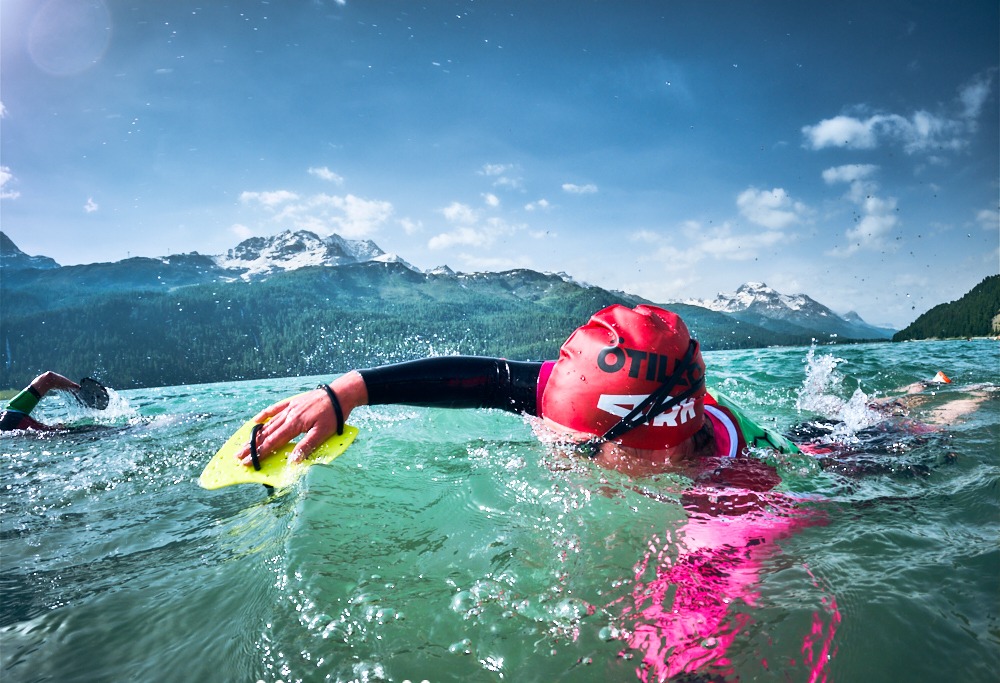
Hand paddles are commonly used in Swimrun to increase propulsion and further reduce leg fatigue. When trained properly, they make swimming more efficient; when ignored in training, they overload the shoulders.
Integrate paddles gradually and consistently. Use them during longer swims and brick sessions so your shoulders adapt to the load. Just like the pull buoy, practice putting them on before swims and removing and stowing them immediately after.
Technical Running and Open‑Water Skills
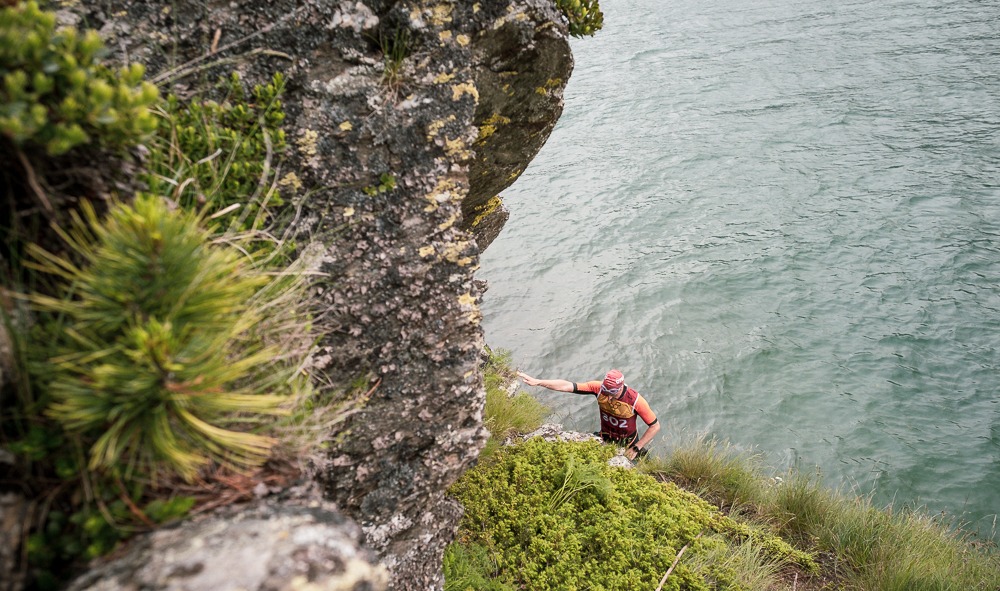
Swimrun courses demand confident movement over technical terrain. Train on trails with rocks, roots, and uneven footing, and include downhill running to build durability.
In the water, prioritize open‑water skills over pool speed alone. Practice sighting, swimming in chop, and navigating entries and exits. Whenever possible, train alongside your partner to build coordination and trust.
How Specific Preparation Unlocks the Joy of Swimrun
Preparing for ÖTILLÖ and similar Swimrun events means training with purpose so you can fully enjoy the experience. You practice in race gear, use paddles and a pull buoy until they feel natural, and rehearse transitions until they require no thought. This preparation lets you move confidently while wet, cold, and tired.
When it all clicks, Swimrun becomes fluid and immersive—a seamless journey through land and water, shared with your partner, and an unforgettable adventure that is truly unique to the sport.